
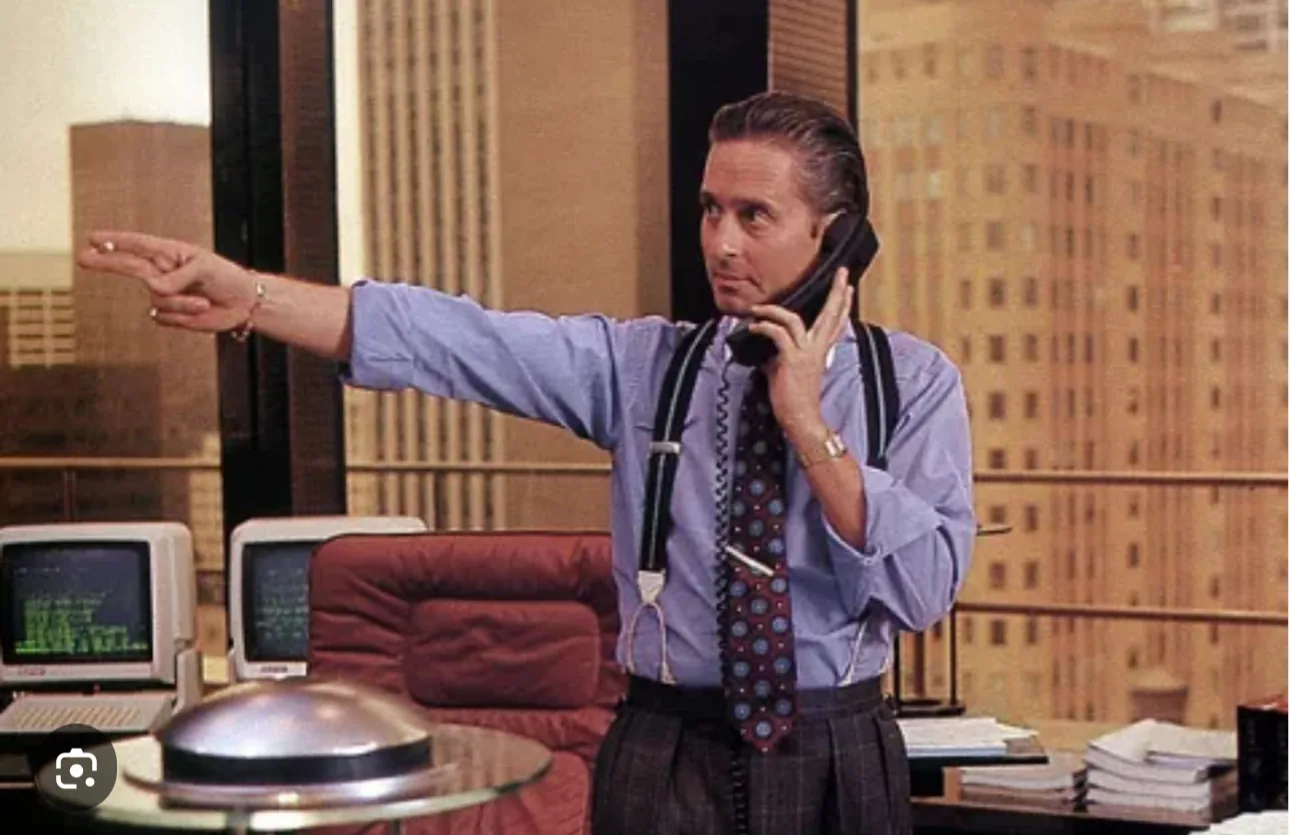
When I was growing up, success seemed reserved for those who'd gone to the right schools — or were lucky enough to catch the attention of a Gordon Gekko type from Wall Street (yes, the original 1987 version — now I'm really dating myself).
Back then, you were either blue-collar or white-collar. And if you were blue and dreamed of crossing over, it meant climbing the ladder one slow rung at a time. The only real "open doors" were in stockbroking or real estate — careers you could break into without a degree, but still had to hustle your way through.
But here's the thing — the rules have changed. If you're over 40 or 50, you likely grew up believing that success comes from loyalty and hard work. You stuck with a job, built a career, and hoped it would pay off. That model no longer exists. The ladder got replaced by an algorithm — and you can either fight it or use it. I'm arguing you should use it, and that you're better equipped to do so than anyone has told you.
The Paycheck Model Is Gone
Let's be honest: most people over 40 didn't grow up with "multiple income streams." You received one paycheck, you paid your bills, and you saved what you could. Now the economy rewards flexibility. AI, automation, and the internet have opened thousands of new ways to make money — from home, from your phone, from skills you already have.
This isn't about quitting your job tomorrow or chasing the next crypto fad. It's about building a financial cushion. A backup plan. A bit of breathing room. And here is the part the hustle-culture kids on your feed won't say out loud.
You already have the one thing the younger crowd doesn't — experience.
You know how to deliver results, problem-solve, and manage people effectively. That's gold in the side hustle world.
Your Experience Is the Product
The most obvious way to cash in on that experience is consulting or coaching. You've got knowledge that others need, and they'll pay for it. Business, leadership, career transitions, sales, parenting — there's a niche for everything. Start by offering short sessions online, and treat LinkedIn as your storefront. Close behind it is freelance work: writing, marketing, design, project management, bookkeeping and operations can all be done remotely. Platforms like Upwork or Fiverr will get you started, but don't underestimate the value of your personal network. Most clients come from people who already trust you.
If you'd rather build something once and sell it many times, take what you've learned over the years and turn it into a digital product or online course — a guide, a template, a full curriculum. Sites like Teachable or Gumroad make it simple, and AI tools can help you draft outlines, record videos, and even edit content. And if you've got opinions (I suspect you do), use them. Start a YouTube channel, blog, or newsletter around something you know well — personal finance, wellness, cooking, tech, travel, even grandparenting — and earn from affiliate links or sponsorships. Amazon alone offers several ways to do this, from affiliate links to self-published books; if that path interests you, the Amazon Income Blueprint is the guide I recommend for mapping out those streams.
Then there's the frontier, and this is where things get exciting: AI-powered microbusinesses. Use tools like ChatGPT, Canva, and automation software to run small digital businesses with minimal effort — resume services, product descriptions, social media content, newsletters — with AI doing the heavy lifting.
Start Before You Feel Ready
The danger at our age isn't a lack of options; it's overthinking them. So pick one thing. Don't get stuck researching forever — start small, test, learn, repeat. Use AI as your co-pilot, an assistant that speeds up your work rather than something to fear; whenever you're unsure about something, type your question into ChatGPT, and it will help you get unstuck. Lean on your existing network and tell people what you're doing, because referrals come fast when people know your expertise. When the first profits arrive, reinvest them in better tools, a simple website, or marketing for your service. And think long-term. A side hustle isn't a quick cash grab. It's a foundation for freedom — extra income, security, and maybe even a second career.
You don't need to be 25 or know the latest TikTok trends to win in today's economy. You just need to adapt — and you've been doing that your whole life. The internet and AI have made it easier than ever to turn what you know into income. The playing field is open, and the only real barrier left is hesitation.
So yeah — greed is still good. Not the ruthless kind from Wall Street — the self-sufficient kind. The kind that says, "I've earned the right to build something of my own."
Start now. Six months from today, your "side hustle" might be the smartest thing you've ever done.
I started writing this because I've seen too many smart, capable people over 40 talk themselves out of new opportunities. The truth? You're not too old, you're too early — the tools have finally caught up to you.
If this resonated, share it with a friend who needs that reminder. Or better yet — start your first side hustle challenge together.
Explore our full collection of resources for building flexible income — from digital products to online coaching and beyond — in the Side Hustle Lab. Or grab digital printables, wellness tools, and guides — all free for our community — in the Verbose Vibes Resource Vault.
This article is for general informational purposes only and is not a substitute for professional financial or business advice. Some links on this page may be affiliate links. See our full disclaimer.